
Bog Berries – Cloudberries
The truly scrumptious botanical gem or ‘northern gold’ of peatlands

The berry covered here in part 2 of this series on bog berries needs no introduction to most people living and working in northern boreal and subarctic regions. I’ve described northern peatlands as global treasures before, and I consider the plants and lichens to be the botanical jewels of these boggy lands. The cloudberry, or bakeapple, is a true botanical gem of northern peatlands. These delicious golden berries are the reason many people will venture into bogs, swamps, and fens, often trudging for some time through the difficult wet terrain to find and harvest the sometimes-elusive wild cloudberries.


Technically a fruit, and not a true berry (botanically speaking) the bright golden yellow to orangey pink cloudberry looks like a raspberry or a blackberry and has a similar bramble-like growth form. The small aggregate fruit is rich in vitamin C and is highly sought after for preserves, jams (apparently good with waffles), pies, and other sweet treats. In Canada, cloudberries are commonly called bakeapples and are used to make bakeapple pie. In Finland, cloudberries are harvested to make cloudberry liqueur (e.g., Lapponia Lakka), a sweet, fortified wine. This cloudberry liqueur is called Chicoutai Liqueur in Quebec. The leaves may also be used as a herbal tea.
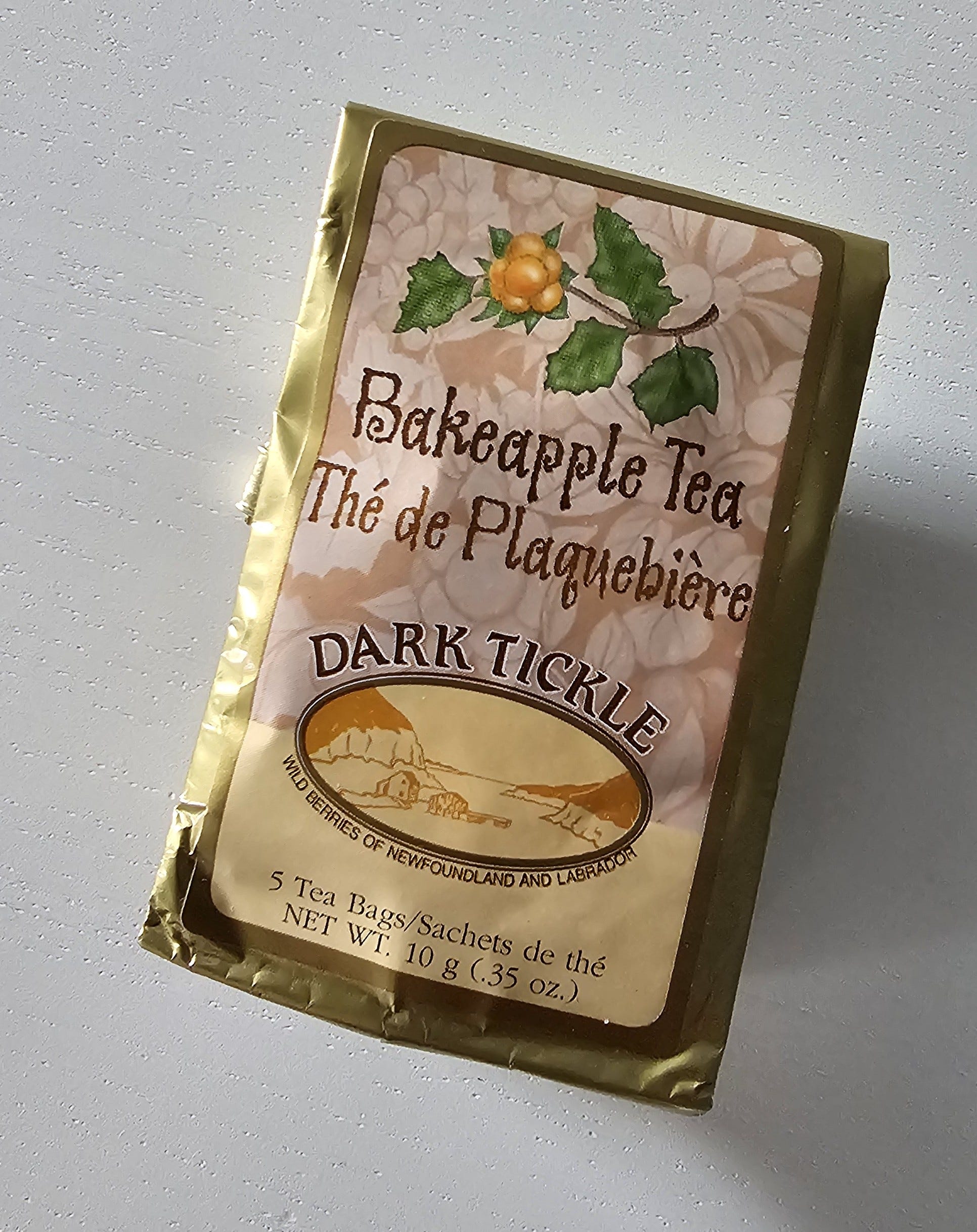
Indigenous Peoples across northern Canada and other regions gather cloudberries to eat raw and for use in traditional jams and other recipes, such as akutaq (a mix of berries and whipped fat – traditionally animal fat but some recipes use vegetable fat). Along with many other berries, cloudberries are of great cultural importance to Indigenous Peoples across the north of Canada, in ceremony, medicine, and to preserve the connection to the land.
Cloudberries are often called ‘northern gold’ or ‘arctic gold’ because they are difficult to cultivate and harvest. Unlike many other berries and fruits, cloudberries can’t be grown commercially on a large-scale, and so most of the global supply is wild harvested from northern peatlands. Apart from requiring a cool, acidic, and peaty environment to grow, the problem for cultivation is that cloudberry is dioecious, meaning each plant is either male or female and requires both to be present in the same location for pollination. It can also take many years for a female plant to mature and produce berries. In many locations, the male plants are often dominant, which means there may be only a few female plants producing berries.
Although closely related to other members of the genus Rubus (e.g., raspberry, salmonberry, thimbleberry) there is only one species of cloudberry, and the plants really can’t be mistaken for any other type of berry found in peatlands.
Common names: Cloudberry, Bakeapple, Chicouté
Scientific name: Rubus chamaemorus L.
Cloudberry (Rubus chamaemorus) is found in temperate, boreal and subarctic regions of North America and northern Europe and Asia. It is primarily found in peatlands, mainly acidic bogs and forested peatlands (including permafrost peatlands) with Sphagnum moss.
Cloudberry is a deciduous low growing and thornless shrub, usually reaching no more than 30 cm in height. The leaves and flowers of individual plants stem from creeping woody rhizomes that extend out just under the surface of the moss. The leaves are alternate and palmate, with rounded lobes.
Individual plants (both separate male and female plants) produce one small white flower at the tip of the stem, usually in early spring (late May to July, depending on latitude). Female plants produce drupelets (the ‘berry’ is formed from single-seeded drupes, like a raspberry) following pollination, and this fruit slowly ripens through the summer months, turning from a dark orangey pink colour to a lighter golden orange.
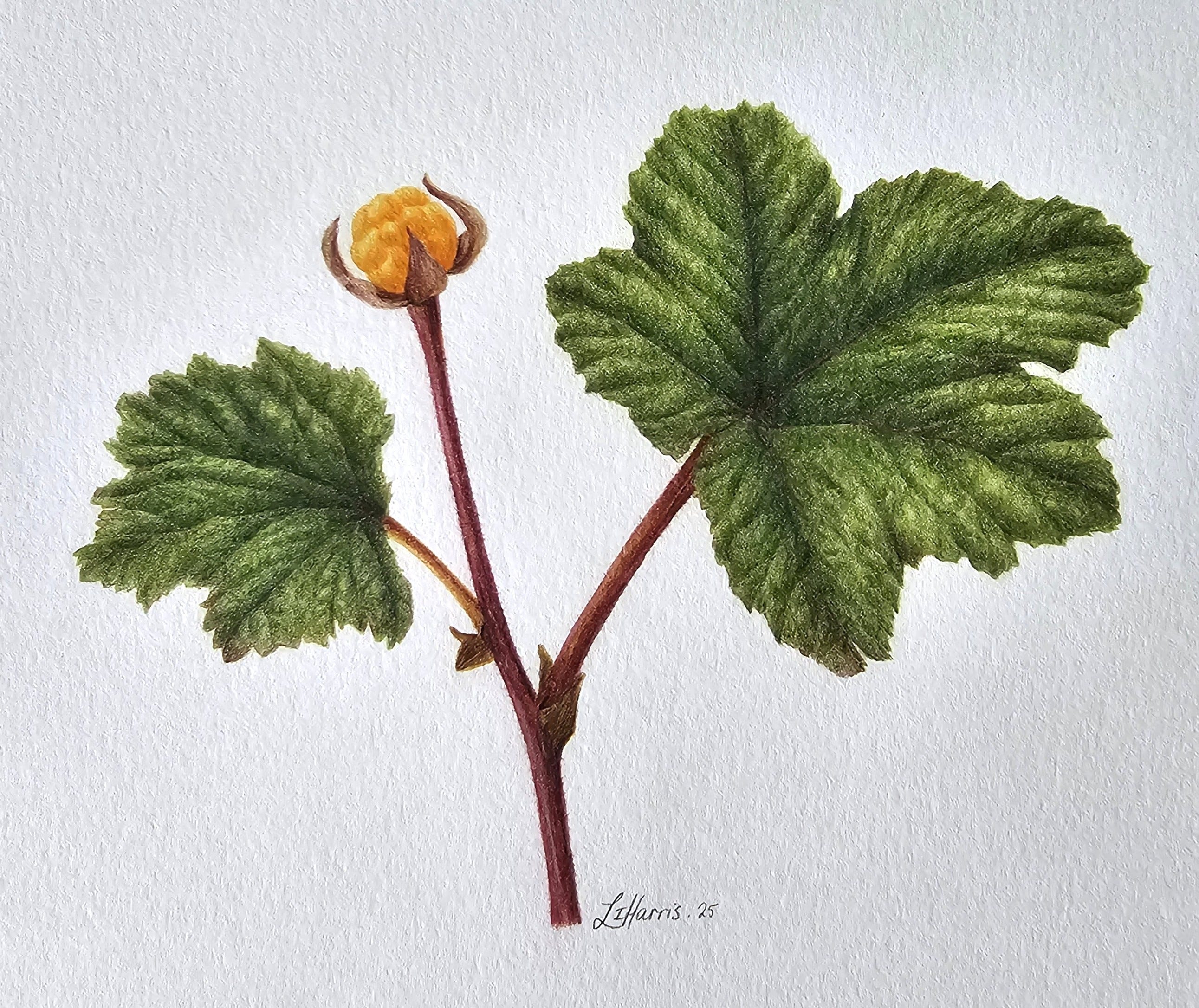
And what do cloudberries taste like in the field? I’ve picked the occasional cloudberry to taste while working in the bogs, late in the season when the fruit is ripe (roughly late July to August, depending on how far north you are). The golden fruit is soft when ripe and can be sweet but also quite tart. Cloudberry is not my absolute favourite bog berry to eat but it does come very close! The plant itself is one of my favourite peatland species though - a beautiful botanical gem. Walking through the dense forest to find an open bog with a mass of bright golden berries amid their dark green leaves, sitting just above the soft carpet of Sphagnum moss is always a joy.
Fell in love with peat bogs while visiting the Hebrides last summer... Will be following closely. Thanks for this!
I love your pencil drawing Lorna! Very nicely done.